Recent Posts
What Homeowners Should Know About Spray Foam Insulation and Their Roof
Spray foam insulation has become a popular choice for homeowners looking to improve energy efficiency and reduce heating and cooling costs. When installed correctly, it can be a great way to insulate a home.
But what many homeowners don’t realize is that spray foam insulation can also affect how a roof performs. In some cases, it can even impact roofing warranties if it isn’t installed with the roof system in mind.
That doesn’t mean spray foam is a bad option, it just means it’s important to understand how it interacts with your roof before moving forward.
Here are a few things homeowners should keep in mind.
How Spray Foam Changes the Way a Roof Breathes
Most traditional roofing systems are designed with ventilation in mind. Air moves through the attic to help regulate temperature and remove moisture.
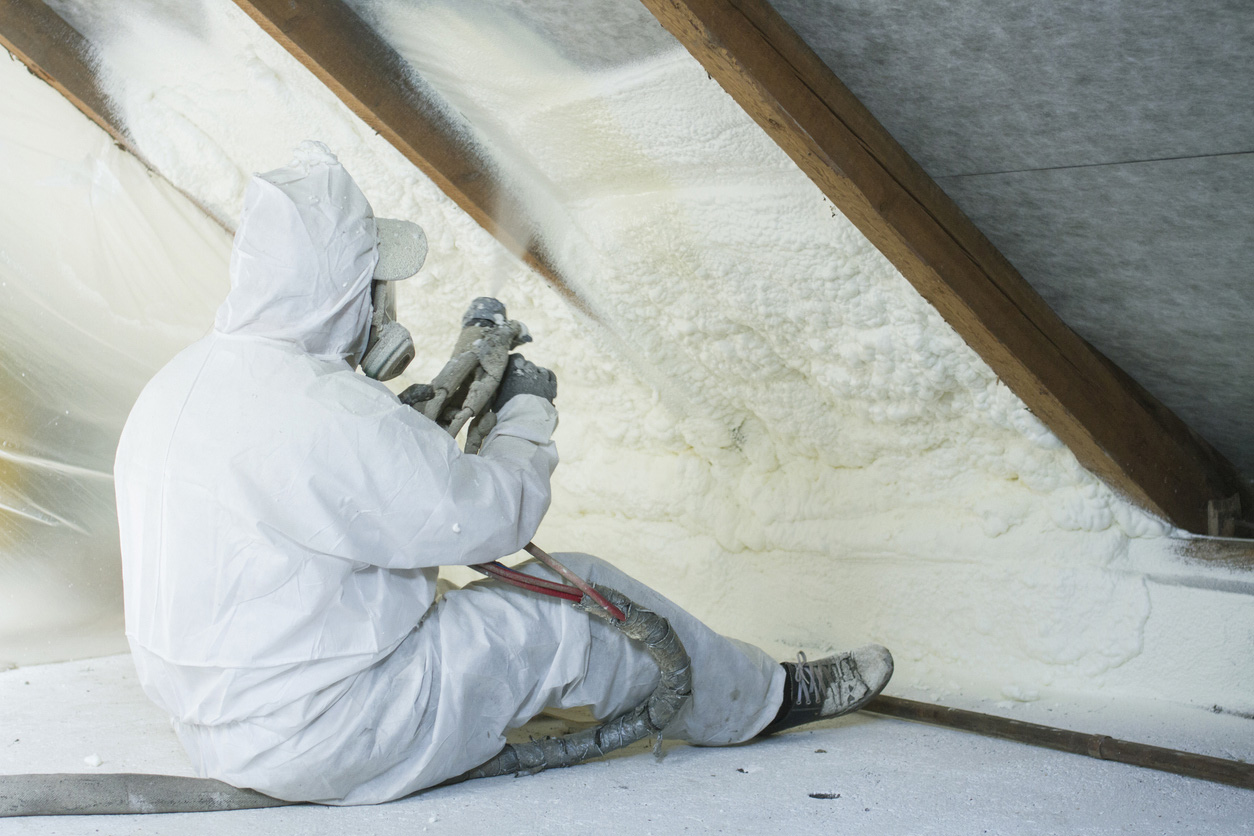
When spray foam insulation is applied directly to the underside of the roof deck, it creates an airtight seal. While this can improve energy efficiency, it also changes how the roof system handles heat and moisture.
Without proper planning, this change in airflow can affect the overall performance of the roof.
Moisture Can Become Trapped
One of the biggest concerns with improperly installed spray foam is moisture buildup.
Because spray foam seals surfaces tightly, any moisture that gets into the roof structure may have nowhere to go. Over time, trapped moisture can lead to:
- Mold growth
- Wood rot in the roof deck
- Hidden structural damage
These issues aren’t common in every spray foam installation, but they can happen if ventilation and roofing details aren’t carefully considered.
Spray Foam Can Impact Roof Warranties
Many roofing manufacturers design their systems with specific ventilation requirements. When spray foam is installed directly to the underside of the roof deck, it may change those conditions.
In some cases, that change can void or limit a roofing warranty, depending on the manufacturer and how the system is installed.
That’s why it’s important to understand the warranty requirements before adding spray foam insulation to your home.
Communication With Contractors Is Key
If you’re considering spray foam insulation, the best thing you can do is make sure everyone involved understands the full picture.
Before installation, homeowners should:
- Ask how spray foam will affect attic ventilation
- Confirm that the roofing manufacturer’s warranty requirements are still met
- Make sure both the insulation contractor and roofing contractor are on the same page
Spray foam insulation can be a great solution for energy efficiency when installed properly. The key is making sure the insulation plan works together with the roof system… not against it.
Clear communication, good planning, and quality installation make all the difference.
If you’re considering insulation upgrades or have questions about how spray foam might interact with your roof, we’re always happy to help you understand your options.
