Recent Posts
What to do about New Roof Leaks in Late Winter
As the snow thaws and spring approaches, your roof may need extra attention. Late winter roof leaks are more common than many homeowners expect. It’s not unusual to notice a new leak in February or March, even if your roof has seemed fine all season.
If you’re seeing new water stains or active dripping on ceilings, don’t put off an inspection. A new leak may slow down or stop once all the snow and ice have melted away. But the moisture left behind creates ideal conditions for mold to form.
Reasons Why Roofs Leak in Late Winter
Ice Dams and Backed-Up Meltwater
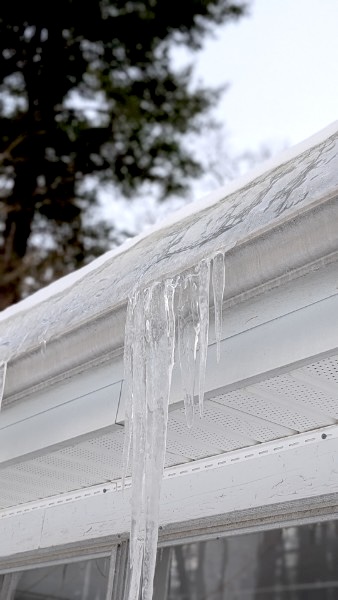
One of the most common causes of winter roof leaks is ice dams.
Heat can escape through your attic, causing the snow on top of your roof to melt. That water travels downward and refreezes on the edges away from the heat, forming a thick ridge of ice. As water starts to back up between the ice and the warmer roof, the moisture pushes between your shingles and enters your home. Water will begin to pool behind the ice dam and can push beneath shingles, leading to a leak forming inside your home.
Uneven attic insulation and poor ventilation often make this worse. Warm spots develop on the roof surface, causing inconsistent melting and refreezing. The result is trapped water with nowhere to go but under your roofing materials.
Freeze-Thaw Cycles
Late winter in the Northeast is known for frequent temperature swings. Daytime temperatures rise above freezing, snow melts, and water works its way into small cracks or vulnerable areas in shingles and flashing.
When temperatures drop again overnight, that moisture freezes and expands. Over time, repeated freeze–thaw cycles widen small gaps and loosen roofing materials. By late February or March, those minor vulnerabilities can turn into active leaks.
This is why many homeowners first notice water stains toward the end of winter rather than during the coldest months.
Why Winter Roof Leaks Need to be Addressed Quickly
It’s tempting to wait until spring is entirely underway to deal with a leak that appears during a thaw. After all, once the snow is gone, the dripping may stop.
But moisture that has already entered your roofing system doesn’t simply disappear. Water can saturate insulation, weaken roof decking, and create conditions for mold growth. What begins as a small water leak or spot of moisture can gradually damage your insulation or decking. Addressing the issue early can help prevent higher repair costs.
How to Prevent Roof Leaks from Winter Weather
Leak prevention starts with proper installation and ventilation. New York State building codes require an ice and water shield with all new roof installs. It must extend from the lowest edges of all roof surfaces to at least 24 inches inside the exterior wall line, and in all valleys. At Sheeley Roofing, we install the shield along the lowest six feet of the roof to maximize protection.
This sticky barrier underneath the shingles helps prevent water from reaching the roof decking, in the spots where most damage from ice dams and lifted shingles occurs. The remainder of the roof is protected with synthetic underlayment beneath the shingles.
Keep a Close Eye on Older Roofs
Roofs built before this building code was in place, and roofs that were not properly installed, may not have adequate ice and water protection. That leaves them more vulnerable to ice dam leaks and melting snow intrusion.
Proper attic insulation and ventilation are equally important. A balanced system helps regulate roof temperature, reducing uneven melting and lowering the risk of ice dams forming in the first place. When these elements work together, your roof is far better equipped to handle late winter conditions.
Contact Sheeley Roofing for Winter Leak Repairs
In the Hudson Valley, fluctuating temperatures and heavy snowfall can stress your roofing systems more heavily in late winter. Moisture left behind from a small leak in March can quickly turn into interior damage if left unaddressed.
With over 20 years of experience serving homeowners throughout the region, Sheeley Roofing has seen how Upstate New York winters affect roofing systems. We can complete full roof replacements even in cold weather conditions, so don’t wait for warmer weather to give us a call. If a storm passes during an installation, we always have a plan in place, sealing exposed areas with tarps and conducting a thorough inspection once the weather clears.
Call us today or fill out our contact form to schedule a consultation.
