Recent Posts
How Snow and Ice Can Damage Your Roof (And What You Can Do About It)
When winter settles in, most of us think about shoveling walkways, warming up the car, and trying not to slip on the driveway. But meanwhile, your roof may be carrying the weight of the winter weather, sometimes without you even noticing.
We’ve listed some common winter issues your roof faces, including signs to look for when something’s going wrong, and the steps you can take to stay ahead of the damage.
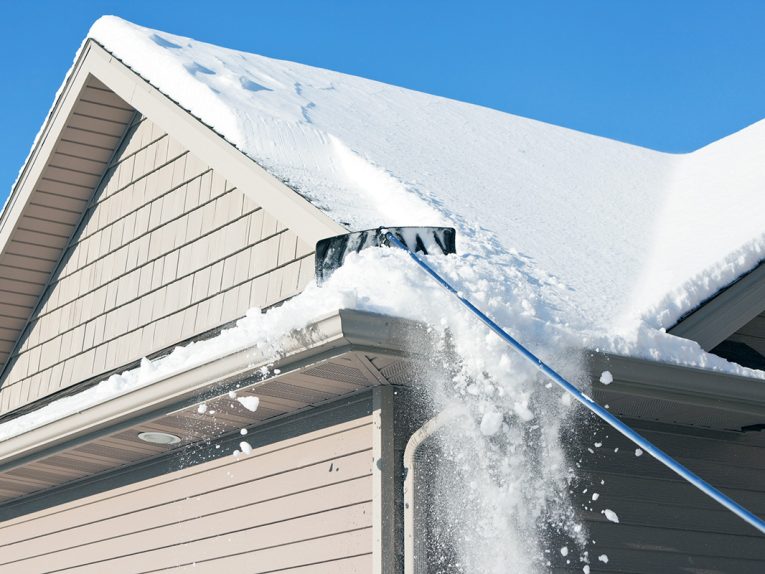
Heavy Snow Load
Signs of Trouble
- Doors inside your home suddenly stick or won’t close
- New cracks in walls or ceilings
- Sagging rooflines or visibly uneven areas
- Creaking sounds during storms
What You Can Do
- Use a roof rake to safely pull down excess snow from the ground
- Keep attic insulation even and dry to prevent warm spots that melt/re-freeze snow
- Call a professional if you suspect a sag or structural stress—this isn’t something to wait on
Ice Dams
Signs of Trouble
- Icicles hanging from the edge of the roof
- Water stains on ceilings or walls
- Damp insulation in the attic
- A cold draft coming from the attic area
- Ice building up in one consistent area year after year
What You Can Do
- Gently remove snow from the lower few feet of your roof with a roof rake
- Make sure your attic is properly insulated and ventilated
- Seal warm-air leaks around attic access points, vents, and light fixtures
- Avoid chipping at ice—you can damage the shingles underneath
- Call a pro if water is already getting inside; the damage may be hidden
Freeze–Thaw Cycles
When temperatures jump above freezing during the day and drop again at night, water expands inside tiny cracks in shingles. Over time, this widens the cracks and loosens the roofing material.
Signs of Trouble
- Shingles that look lifted, curled, or cracked
- Granules collecting at the base of downspouts
- Small water spots after snowmelt
- Nails working themselves up and out
What You Can Do
- Keep gutters clear so meltwater drains away quickly
- Check the roof visually from the ground after warm-then-cold swings
- Have small shingle issues repaired early—they get worse fast in winter
- Schedule a professional inspection if you spot multiple lifted shingles. You may want to consider installing new shingles.
Hidden Moisture
Snow that sits for long periods traps moisture against your shingles and roof deck. Poor ventilation makes this even worse, and hidden dampness can lead to mold, rot, and insulation damage.
Signs of Trouble
- A musty smell in the attic
- Condensation on attic windows or roof beams
- Frost buildup on the underside of the roof deck
- Insulation that feels damp or clumpy
What You Can Do
- Make sure attic vents aren’t blocked by insulation or stored items
- Use a dehumidifier in problem areas if moisture keeps building
- Have a winter roof inspection to catch hidden moisture early
- Add or adjust ventilation if the attic consistently stays damp
The Good News: You Can Get Roof Maintenance in Winter
Many people assume roofing work shuts down in winter, but it doesn’t—we work year-round. If your roof shows winter wear, Sheeley can complete full roof replacements even in cold-weather conditions, helping keep your home protected through the season. If winter wear has you concerned about your roof, give us a call.
